
Amazing Science Facts
Unlock a treasure trove of mind-blowing science facts every month with the latest issue of Lab Reporter. Dive into the wonders of the universe, explore groundbreaking discoveries, and ignite your curiosity like never before. From the mysteries of deep space to the marvels of cutting-edge technology, Lab Reporter brings you the most fascinating and inspiring stories from the world of science. Explore the intricacies of the Human Body, delve into Earth Science, uncover the secrets of Space, learn about extraordinary Animals, and stay updated with the latest in Science and Technology.
Featured Amazing Science Facts



The Average Human Body has Enough DNA to Travel From the Sun to Pluto - 17 Times
The human genome (the genetic code for all human cells) contains 23 DNA molecules (called chromosomes), each containing between 500,000 and 2.5 million pairs of nucleotides. A DNA molecule of this size is 1.7 to 8.5 cm long when unwound, averaging about 5 cm. The human body has approximately 37 trillion cells. So if we roll up all the DNA trapped in each cell and position the molecules end to end, we have a total length of 2 x 10¹⁴ meters. This is long enough for his 17 round trips to Pluto (the distance from the Sun to Pluto). again 1.2 x 10¹³ meters). We should know that we share his 99% of his DNA with every other human being. See more information on human genome.

The Human Body is Mostly Bacteria: 10 Times More Bacterial Cells than Human Cells Found on Average
Isn't it funny how we go to great lengths to sanitize our surroundings and protect ourselves from germs, when in reality, our bodies are a thriving ecosystem of microorganisms? Believe it or not, if we were to collect all the bacteria living inside us, we'd have enough to fill up a half-gallon jug! And here's a mind-blowing fact: there are 10 times more bacterial cells in our bodies than human cells, as microbiologist Carolyn Bohach from the University of Idaho has pointed out.
Note that most of these bacteria are beneficial and crucial to our well-being. For example, they produce chemicals that help us break down and extract nutrients from our food. In fact, experiments with germ-free rodents have shown that they need to consume almost a third more calories than regular rodents just to maintain their weight. And when these same rodents were later exposed to bacteria, their body fat levels soared even though they didn't eat any more than they had before.
Moreover, our gut bacteria play a vital role in maintaining our immune system, underscoring the importance of taking care of our microbiome. So next time you feel the urge to reach for the sanitizer, remember that not all bacteria are bad. In fact, we owe our very survival to these tiny companions.
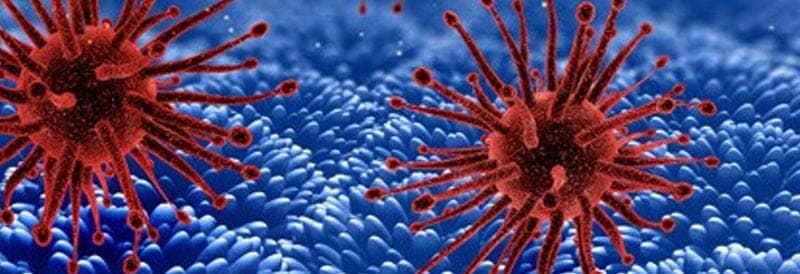
Scientists Discover New Virus-Like Entities, Obelisks, in Human Gut and Mouth Bacteria
Researchers from Stanford University have made an intriguing discovery in the world of microbiology. They have identified a new type of virus-like entity called "obelisks" within bacteria residing in the human gut and mouth. These obelisks possess RNA-based genomes, similar to traditional viruses, but they differ in their structure and behavior.
What makes obelisks particularly fascinating is their prevalence across different geographical regions. Scientists have found obelisk sequences in samples collected from various parts of the world, suggesting that they are not limited to a specific location or population. However, the exact role and impact of obelisks on human health are still unknown.
While traditional viruses are known to infect host cells and hijack their machinery to replicate, obelisks seem to have a different relationship with their bacterial hosts. Researchers speculate that obelisks may influence the genetic activity of their bacterial hosts, potentially altering their behavior or functioning. Understanding these interactions could provide valuable insights into the complex dynamics between viruses, bacteria, and human health.
It is important to note that obelisks are distinct from both viruses and viroids, another type of virus-like entity. Viroids are smaller and simpler in structure, consisting only of RNA molecules without any protein coat. Obelisks, on the other hand, have a more complex structure and are larger in size. This discovery highlights the vast diversity and complexity of the viral world, prompting further exploration and understanding of these entities.
The origins and evolutionary history of obelisks and viroids are still a subject of ongoing research. Scientists are keen to unravel the mechanisms behind their emergence, as well as their potential impact on the microbial communities within our bodies. By studying obelisks and other viral entities, researchers aim to gain a deeper understanding of the intricate interplay between viruses, bacteria, and human health.
In summary, researchers at Stanford University have uncovered a new type of virus-like entity called "obelisks" within bacteria found in the human gut and mouth. These obelisks possess RNA-based genomes and are prevalent worldwide. While their exact role and impact on human health remain unclear, their discovery sheds light on the diverse and complex nature of viruses and their interactions with bacterial hosts. Further research is needed to fully understand the significance of obelisks and their implications for human health.
A Breakthrough in HIV Treatment: Activating and Killing the Virus
In a groundbreaking development, scientists have pioneered a new method to activate and subsequently eliminate the human immunodeficiency virus (HIV) within the body. This innovative approach has the potential to revolutionize HIV treatment and significantly impact the lives of millions worldwide.
Traditionally, HIV has proven elusive to standard antiretroviral therapies due to its ability to lie dormant within immune cells, evading both the immune system and existing treatments. However, the new method involves awakening dormant HIV-infected cells, effectively exposing them to the body's immune response and enabling the virus to be targeted and destroyed.
The significance of this breakthrough cannot be overstated, as it addresses a critical limitation of current HIV treatments. By activating and subsequently eliminating dormant HIV-infected cells, this method has the potential to reduce the reservoir of latent virus within the body, bringing researchers closer to the elusive goal of a functional cure for HIV.
Moreover, the implications of this advancement extend beyond the realm of HIV treatment. The method's potential to reduce the viral reservoir within the body could significantly decrease the risk of viral transmission, ultimately contributing to efforts to halt the spread of HIV on a global scale.
Furthermore, this innovative approach could pave the way for new therapeutic strategies and treatment regimens, offering hope for improved outcomes and quality of life for individuals living with HIV. As researchers continue to refine and develop this method, it has the potential to become a cornerstone of future HIV treatment, shaping the landscape of HIV care and management for years to come.

Unraveling Migraine Triggers: Study Links ‘Brain Blackout’ to Headaches
Study Sheds Light on Migraine Triggers
A recent study in mice has offered new insights into the causes of migraines, potentially bringing scientists closer to understanding these debilitating headaches. The research suggests that migraines may be triggered by changes in the cerebrospinal fluid (CSF) following a brief brain blackout known as cortical spreading depression (CSD).
Key Findings
- Cortical Spreading Depression (CSD): This temporary shutdown of neuronal activity alters the content of the CSF, the fluid surrounding the brain and spinal cord.
- CSF Composition Changes: After a CSD event, the CSF showed significant fluctuations in protein levels, including a marked increase in the pain-related protein CGRP.
- New Anatomical Pathway: Researchers discovered a previously unknown gap in the protective layers around the trigeminal ganglion, allowing altered CSF to reach and activate these nerve cells, potentially triggering headaches.
Mechanism of Migraine Pain
The brain itself lacks pain receptors, so migraine pain is thought to originate from the peripheral nervous system. This study found that changes in the CSF could activate the trigeminal nerves, leading to the severe pain experienced during migraines.
Implications
The findings suggest that migraines could serve as a protective warning sign of abnormal brain activity. The study opens new avenues for research into why these protein changes in the CSF specifically result in migraine pain and not other types of pain, promising new directions for migraine treatment and prevention.
Future Research
Further studies are needed to explore the precise mechanisms by which CSF changes lead to the activation of pain pathways in the brain. Understanding these processes could lead to more effective treatments for the one billion people worldwide affected by migraines.

Immunotherapy for Glioblastoma Treatment
Glioblastoma, an aggressive form of brain cancer, often resists treatment, making it difficult for the immune system to recognize and attack the cancer cells. This study explores a method to make glioblastoma cells visible to immune cells.
Researchers manipulated glioblastoma cells to present specific markers on their surfaces, which immune cells could recognize. By making the cancer cells more "visible," they could potentially become targets for immunotherapy.
In lab-based studies, modified glioblastoma cells successfully attracted immune cells, demonstrating the potential to enhance immune response against the tumor. If successful in clinical trials, this approach could be a breakthrough in immunotherapy for glioblastoma, offering a new avenue to treat this deadly cancer type by improving immune system engagement.

Functional Architecture of Human Hippocampal CA3 Microcircuits
The human brain's remarkable capabilities in behavior, memory, and cognition are not fully understood at the cellular and circuit levels. A study has investigated whether the human hippocampal CA3 region, essential for memory storage, has unique properties compared to the extensively studied rodent brain.
Researchers obtained hippocampal tissue from 17 epilepsy patients undergoing surgery. The tissue was used for acute slice recordings and functional circuit mapping. Non-sclerotic samples, which showed no disease-induced damage, were specifically examined to study intact human hippocampal circuits.
The study found that non-sclerotic samples had high and stable cell densities, similar to non-epileptic samples. The frequency of spontaneous postsynaptic currents (sPSCs) in CA3 pyramidal neurons (PNs) was comparable to that in mice, suggesting preserved circuit functionality. Synaptic connectivity in human CA3 was sparse (0.78%, corrected to 1.27%), significantly lower than in human neocortical circuits (11.2%) and consistent with rodent CA3. Human CA3 synapses exhibited slower excitatory postsynaptic potential (EPSP) kinetics but were highly reliable with a success probability of 0.90, higher than the 0.62 observed in mice, indicating precise and reliable synaptic transmission.
These findings could improve models of memory storage and retrieval, aiding in the treatment of memory-related disorders. The characterization of healthy human hippocampal tissue also provides a baseline for studying neurodegenerative conditions. Understanding precise synaptic transmission in human circuits could also enhance the development of brain-machine interfaces.

Phase 1 Study of AAV9.LAMP2B Gene Therapy in Patients with Danon Disease
Danon disease is a rare X-linked disorder characterized by cardiomyopathy, skeletal myopathy, and intellectual disability. A study has evaluated the safety and efficacy of AAV9.LAMP2B, a gene therapy designed to deliver the LAMP2B gene to affected patients.
A single intravenous dose of AAV9.LAMP2B was administered to patients, who were then monitored for safety, expression of the LAMP2B protein, and clinical outcomes over 12 months.
The gene therapy was well-tolerated with no serious adverse events. Treated patients showed increased LAMP2B protein levels in heart and skeletal muscle biopsies. Improvements in cardiac function and exercise capacity were also observed.
AAV9.LAMP2B gene therapy has the potential to become a transformative treatment for Danon disease. However, further studies are needed to confirm long-term efficacy and safety in larger patient cohorts.

Lachnospiraceae from MS Twins' Gut Microbiota Induce MS-like Disease in Mice
Multiple sclerosis (MS) is linked to genetic and environmental factors, including gut microbiota. This study investigates specific gut bacteria associated with MS and their role in disease development.
Researchers analyzed microbiota from monozygotic twins discordant for MS using 16S rRNA sequencing. Germfree (GF) transgenic mice, prone to MS-like inflammation, were colonized with these microbiota to assess their disease-triggering potential.
The study found 51 differentially abundant taxa between MS-affected and unaffected twins. Notably, bacteria such as Dialister succinatiphilus and Prevotella buccae were decreased, while Alistipes ihumii and certain Firmicutes were increased in MS-affected twins. In sampling from the ileum and colon, higher levels of Escherichia/Shigella were found in the ileum of MS-affected twins. GF mice colonized with microbiota from MS-affected twins developed MS-like disease, with significant expansion of Lachnospiraceae, particularly Eisenbergiella tayi and Lachnoclostridium.
These findings suggest that specific gut bacteria, especially members of the Lachnospiraceae family, may contribute to MS development. Future research could focus on characterizing the mechanisms of these bacteria, developing microbiome-based therapies for MS, and using microbiome profiles for personalized medicine to identify and prevent MS risk. This study underscores the significant role of gut microbiota in MS and opens new avenues for research and therapy.

Efficacy of Peanut Oral Immunotherapy in Desensitizing Peanut-Allergic Adults: A Phase II Clinical Trial
Peanut allergy is a significant concern in the Western world, affecting approximately 1.5% of the population. It is often lifelong and poses severe health risks, particularly in adults who experience more severe reactions than children. This study aimed to evaluate the efficacy and safety of peanut oral immunotherapy (OIT) in desensitizing peanut-allergic adults using real-world peanut products.
This phase II trial, named the Grown-Up Peanut Immunotherapy (GUPI) study, used a Simon's minimax two-stage design to assess the efficacy of peanut OIT in adults aged 18 to 40 years. Participants with a confirmed peanut allergy underwent daily OIT with bi-weekly dose escalations until reaching a maintenance dose of 1000 mg of peanut protein. The primary outcome was the proportion of participants who could tolerate a cumulative dose of 1.4 g of peanut protein during a double-blind placebo-controlled food challenge (DBPCFC) after achieving the maintenance dose. The study also included a control group for comparison of mechanistic parameters.
Twenty-one adults were enrolled in the OIT group. Of these, 67 percent of participants achieved the daily maintenance dose and met the primary endpoint, showing a significant increase in the median tolerated dose from 30 mg at baseline to 3000 mg at the exit challenge. This represents a 100-fold increase in tolerance (p < 0.0001). Improvements in quality-of-life measures, such as reduced food allergy-related anxiety and food neophobia, were also observed. Skin prick tests showed reduced reactivity and there was an increase in peanut-specific IgG levels in the OIT group compared to controls. Adverse reactions were mostly mild, with only a few participants requiring epinephrine.
The findings suggest that peanut OIT is a promising treatment for desensitizing peanut-allergic adults. Future research should focus on larger studies to confirm these results, to better characterize the safety profile, and to identify which adult subgroups would benefit most. Additionally, exploring the potential for long-term tolerance without continuous OIT and expanding the approach to other persistent food allergies, such as cow's milk, egg, and wheat, could further enhance the management of food allergies in adults.

New Drug Shows Promise for Hard-to-Treat High Blood Pressure
High blood pressure is a leading cause of cardiovascular disease and traditional treatments often fail for patients with resistant hypertension. A study has evaluated a new drug's efficacy in lowering blood pressure in these hard-to-treat cases.
Researchers conducted a double-blind, placebo-controlled trial involving 500 patients with resistant hypertension. Participants received either the new drug or a placebo for 12 weeks, with regular monitoring of blood pressure and side effects.
The new drug significantly reduced systolic and diastolic blood pressure compared to the placebo. Patients experienced an average reduction of 15 mmHg in systolic pressure and 10 mmHg in diastolic pressure. The drug was well-tolerated with minimal side effects.
This new drug could provide an effective treatment option for patients with resistant hypertension, reducing the risk of cardiovascular events. Further studies are needed to confirm long-term efficacy and safety.

The Great Barrier Reef, stretching over 2,000 kilometers, holds the title of being the biggest living structure on our planet
The Great Barrier Reef is one of the most spectacular natural wonders of the world, and it is a source of national pride for Australians. This coral reef system is a living organism that is made up of over 2,900 individual reefs and around 900 islands, stretching for over 2,300 kilometers off the coast of Australia. It is the largest living structure on earth and is even visible from space.
It is home to an incredible array of marine life. It is estimated that there are over 1,500 species of fish, 600 species of coral, and numerous species of sharks, rays, turtles, and dolphins that call the reef their home. This diversity of marine life makes the Great Barrier Reef one of the most biodiverse ecosystems in the world. Aside from being an ecological wonder, the Great Barrier Reef is also a significant tourist attraction, bringing in millions of visitors and billions of dollars in revenue to Australia each year.
However, it is also facing significant threats. Climate change, pollution, and overfishing are all taking a toll on the health of the reef. Rising sea temperatures and ocean acidification are causing coral bleaching and other damage. These threats have led to significant declines in the health and diversity of the Great Barrier Reef in recent years, raising concerns about its future.

Oceanic Oxygen: The Vital Source of Life on Earth
The ocean plays a crucial role in producing oxygen and is often referred to as the "lungs of the Earth." The majority of Earth's oxygen actually comes from marine plants, specifically phytoplankton, algae, and seaweed, through a process called photosynthesis. These microscopic organisms produce oxygen as a byproduct of converting carbon dioxide and sunlight into energy. While it is challenging to determine an exact figure, it is estimated that marine plants are responsible for producing about 50% of the oxygen in Earth's atmosphere. The remaining oxygen comes from land-based plants, particularly trees and forests. Therefore, both marine and terrestrial ecosystems contribute significantly to the oxygen supply on our planet.
It's important to note that the oxygen produced by marine plants does not directly escape into the atmosphere but rather dissolves in the ocean. However, the oxygen-rich waters eventually mix and exchange gases with the atmosphere, ensuring a balance between oxygen production and consumption. Protecting and preserving the health of the oceans is crucial not only for marine life but also for the overall oxygen production and the well-being of our planet.

The Electrifying Power of Lightning: Nature's Spectacular Display
Lightning, a breathtaking display of nature's raw power, has captivated human imagination for millennia. It's a celestial ballet of electric charges, a fleeting drama that momentarily transforms the night sky into a radiant spectacle. Yet, behind its dazzling appearance lies an astonishing force that defies comprehension. A single lightning bolt carries an immense energy payload. When it strikes, it heats the air around it to temperatures hotter than the surface of the Sun. Imagine the atmosphere suddenly igniting into a blinding inferno, a transient burst of energy that leaves its mark on the landscape.
But what creates this awe-inspiring phenomenon? Lightning forms within thunderstorms, where updrafts and downdrafts cause ice particles to collide, generating electrical charges. The Earth itself is electrically charged, with a negatively charged surface and a positively charged upper atmosphere. When the charge separation becomes too great, it seeks a path to equalize, and lightning is born. The result is a dazzling discharge, with branching tendrils of electricity racing toward the ground. The intense heat generated by lightning causes the surrounding air to expand explosively, creating the sonic shockwaves we know as thunder. In an instant, a tranquil sky transforms into a tempestuous theater of light and sound.
Beyond its aesthetic allure, lightning plays a vital role in our planet's electrical balance. It helps distribute electrical energy across the Earth's surface, which is crucial for maintaining the electrical neutrality of the atmosphere. The phenomenon of lightning reminds us of the incredible forces at play in our natural world. It underscores the importance of understanding and respecting the power of nature. While we marvel at its beauty and power, we must also remember that, for all its splendor, lightning can be a formidable and sometimes destructive force, serving as a reminder of our place in the grand scheme of Earth's systems.
In the end, lightning remains one of nature's most captivating displays, a fleeting and electrifying reminder of the remarkable forces that shape our planet and the universe beyond.

The Antarctic Ice Sheet: A Giant Frozen Reservoir with Global Implications
The Antarctic ice sheet is a vast, frozen expanse that has captivated the imagination of scientists and the world at large. This colossal ice sheet, located at the southernmost tip of our planet, holds a staggering 90% of the world's ice. Its sheer magnitude and influence on our planet's climate make it a subject of critical concern and study. Remarkably, it contains enough water to raise global sea levels by approximately 60 meters (197 feet) should it melt entirely. In this essay, we will delve into the significance of the Antarctic ice sheet, the factors contributing to its stability, and the potential consequences of its melting.
The Antarctic ice sheet is a true natural wonder, encompassing an area of over 14 million square kilometers. It is divided into two main components: the East Antarctic Ice Sheet, which is larger and generally more stable, and the West Antarctic Ice Sheet, which is notably more vulnerable to warming temperatures. The ice sheet is composed of snow, compacted over millennia, forming layers of ice that can be several kilometers thick. This icy behemoth plays a pivotal role in regulating the Earth's climate. It reflects sunlight, helping to cool the planet, and it stores an incredible amount of fresh water. The ice sheet's significance extends far beyond the polar regions, as it directly impacts global climate patterns and sea levels.
The Antarctic ice sheet's stability is largely maintained by a delicate balance of processes. Several key factors contribute to its resilience:
- Low Temperatures: The extreme cold of Antarctica helps preserve its ice. The continent's interior experiences some of the coldest temperatures on Earth, which inhibits the natural processes of ice melting and calving.
- High Elevation: Much of the ice sheet is situated at high elevations, where temperatures are even lower. This elevation acts as a natural barrier against the influence of warmer air masses.
- Thickness: The immense thickness of the ice sheet insulates the ice beneath, preventing rapid heat transfer to the base.
- Sea Ice Shield: Sea ice surrounding Antarctica acts as a protective shield, limiting the interaction between the ice sheet and the warming ocean.

The Sun's Radiant Power: A Stellar Enigma
The Sun, a celestial body that has captivated humanity for millennia, holds a remarkable secret within its fiery core. Its awe-inspiring luminosity and life-giving warmth are not mere happenstance but rather the result of an immense release of energy. The Sun's radiant power, derived from the process of nuclear fusion, is a testament to the remarkable forces at work in the heart of our solar system. At the core of the Sun, temperatures soar to mind-boggling heights, reaching approximately 15 million degrees Celsius (27 million degrees Fahrenheit). In this extreme environment, hydrogen atoms collide with such tremendous force that they combine to form helium through a process called nuclear fusion. This fusion reaction releases an extraordinary amount of energy, transforming mass into pure radiance.
The Sun's energy output is staggering. In a single second, our star unleashes an astonishing amount of energy, surpassing the cumulative energy consumption of humanity throughout history. This prodigious release of energy sustains life on Earth, providing warmth, light, and nourishment to all living organisms. The Sun's radiant power is not solely a consequence of its immense size. Although the Sun is about 1.3 million times larger than Earth, its density is relatively low. This characteristic, combined with the intense heat and pressure at its core, allows the nuclear fusion process to occur. It is this delicate balance of temperature, pressure, and density that enables the Sun to sustain its radiant power.
The Sun's energy journey is a remarkable one. From the core, photons, or particles of light, are born. These photons then embark on a long and arduous journey through the Sun's dense layers, slowly making their way to the surface. As they rise, the photons are repeatedly absorbed and re-emitted by the surrounding plasma, a process that can take thousands of years. Eventually, the photons reach the Sun's surface and are released into space, racing across vast distances to reach Earth in a mere eight minutes. The Sun's radiant power is a testament to the marvels of the universe. Through the intricate dance of nuclear fusion, the Sun transforms matter into pure energy, radiating warmth and light across the cosmos. Its energy sustains life on our planet, shaping our climate, nurturing ecosystems, and fueling the processes that drive our world. As we gaze upon the Sun, we are reminded of the incredible forces that shape our existence and the profound interconnectedness of all things in the vast expanse of space.

Revolutionizing Energy Storage: Sustainable Solutions from Mining Sites
In a transformative shift towards sustainability, startups Gravitricity and Green Gravity are reshaping energy storage by repurposing mining sites for eco-friendly solutions.
Edinburgh-based Gravitricity's GraviStore system utilizes underground shafts to lift weights, discharging power on release. A collaboration with ABB (a technology leader in electrification and automation) emphasizes sustainable hoisting solutions, with projects globally targeting a 20MWh storage capacity.
In Australia, Green Gravity partners with Wollongong Resources to explore eight potential sites in the Illawarra region, envisioning up to 100MWh of gravity-based storage. Repurposing mine shafts showcases their commitment to sustainable energy, supporting the transition from coal mining operations.
These initiatives mark a significant leap in sustainable energy solutions, turning unconventional sites into eco-friendly power hubs.

Biodegradable Thermoplastic Polyurethane (TPU) Containing Bacillus Subtilis Spores
We all know that the accumulation of plastic waste is a real problem for the planet that has been building up for decades. For example, the UN estimates that from the early 1950s to 2017, nearly 7 billion pieces of plastic have become waste.
There are currently many lines of research aimed at finding a solution to this problem. One of them is a study carried out at the University of California, San Diego (USA) using thermoplastic polyurethane (TPU), a special elastomer with exceptional strength that cannot be recycled.
Polyurethane is a type of plastic that is widely used in the production of footwear, mobile phone cases, car parts, etc. However, it is currently difficult to recycle and often ends up in landfill or leaks into the environment. As described in the article "Biocomposite thermoplastic polyurethanes containing evolved bacterial spores as living fillers to facilitate polymer disintegration", published in the journal Nature Communications, the scientists introduced spores from a strain of Bacillus subtilis into the plastic using the extrusion technique. This involves melting the polymers and mixing them with various additives. B. subtilis spores can then remain dormant for years until soil moisture and nutrients are ideal for germination.
To assess the biodegradability of TPU with spores, strips of the material were placed in compost at 37°C with a relative humidity of between 44 and 55 percent. Due to the water and nutrients in the compost, the spores inside the plastic germinated and 90 percent degradation of the plastic was observed within 5 months.
Another positive aspect of this research is that both the technique used to process the plastic, extrusion, and the easy availability of the spores on the market, as they are widely used as probiotic supplements, mean that the cost of production is not much higher than traditional methods.
The research results are promising and the next step will be to investigate how the process could be optimized on a large scale and whether it could be applied to other types of plastic.

Unlocking the Power of Waves: Wave Energy to Play a Key Role in the UK's Renewable Energy Future
Wave energy is poised to become a vital component of the UK's renewable energy landscape, as highlighted by recent advancements from CorPower Ocean and a groundbreaking report from LUT University (Finland). The report underscores the potential for wave energy to contribute significantly to the UK's energy mix, with a suggested capacity of 27GW by 2050. CorPower Ocean's successful ocean commissioning of its commercial-scale device further validates the readiness of wave energy technology for widescale adoption.
Advocates emphasize the importance of government support and a clear route to market to accelerate the deployment of wave energy projects. With a diverse mix of renewables, including wind, solar, wave, tidal, geothermal, biomass, and hydropower, the UK can achieve its goal of transitioning to 100% renewable energy while minimizing costs and enhancing sustainability. Recent studies indicate substantial cost savings and increased efficiency through the integration of wave energy with other renewable technologies. As the UK continues to lead in climate change initiatives, the exploration and development of wave energy offers promising opportunities for a greener future.

Solar-Powered Water Desalination: A Sustainable Solution
Solar-powered water desalination is an innovative and sustainable solution to address water scarcity. By harnessing the abundant and renewable energy of the sun, this method offers an efficient, affordable, and environmentally friendly way to produce fresh water.
Key issues surrounding this technology are discussed below:
Harnessing solar energy: Solar-powered desalination uses photovoltaic panels to convert sunlight into electricity, which powers the desalination process. This eliminates the need for fossil fuels, reducing costs and environmental impact.
Efficiency and affordability: Advancements in solar desalination technology have improved efficiency, making it a cost-effective method of producing fresh water from seawater. This accessibility ensures communities with limited resources can benefit from it.
Environmental benefits: Solar-powered desalination systems produce minimal greenhouse gas emissions, reducing their carbon footprint. They also minimize harm to marine life caused by brine discharge from traditional plants.
Community empowerment: Solar desalination empowers communities by providing a sustainable source of fresh water, enhancing water security and improving quality of life. Economic growth and social development are possible outcomes.
Challenges and future prospects: Challenges include enhancing system efficiency, scalability, energy storage solutions, and affordability. Continued research and collaboration can overcome these challenges and make solar-powered desalination a widespread solution to water scarcity.
Solar-powered water desalination offers a sustainable and innovative approach to address water scarcity in coastal areas. By utilizing solar energy, it provides efficient, affordable, and environmentally friendly fresh water production. With further research and implementation, solar-powered desalination can transform the lives of communities globally, ensuring access to clean water for all.

Seaweed: A Game-Changer in the Fight Against Plastic Pollution
Seaweed is emerging as a powerful tool in the fight against plastic pollution, offering a renewable and regenerative alternative to petroleum-based plastics. Over the past decade, its resilience and adaptability have made it a favored material in innovative eco-friendly products like straws, cutlery, and packaging. Businesses are increasingly adopting seaweed-based solutions, driven by its potential to replace single-use plastics with sustainable, high-performing alternatives.
The company Sway, co-founded by Julia Marsh and Matt Mayes, is at the forefront of this movement. Based in Monterey, California, Sway has developed seaweed-based, home-compostable packaging materials that are not only aesthetically pleasing but also functional. Their product, TPSea™, and its versatile film counterpart, TPSea Flex™, exemplify how seaweed can be harnessed to create scalable plastic alternatives.
Sway’s journey, from early experiments in a garage to securing significant funding and partnerships with major brands, highlights the potential of seaweed as a game-changing material in the fight against plastic pollution. Their success underscores the importance of collaboration and the need to engage both businesses and consumers in the shift towards sustainable practices. As Sway continues to grow, they aim to revolutionize the packaging industry while promoting a broader understanding of the role sustainable materials can play in environmental conservation.

Breakthrough in Recyclable Wind Turbine Blades
Researchers have developed a new method to create wind turbine blades that are fully recyclable, addressing a significant environmental concern.
The study involved using a novel type of polymer that can be broken down and reused, unlike the traditional materials used in wind turbine blades, which are difficult to recycle.
The study demonstrated that these cleaner methods could significantly reduce the environmental footprint of metal extraction and purification, while still achieving high levels of purity.
The new blades are not only recyclable but also maintain the strength and durability required for efficient wind energy production.
This innovation could significantly reduce the environmental impact of wind energy by allowing for the recycling of turbine blades, which are currently a major source of waste in the renewable energy sector.

Discovering the World's Bitterest Molecule in the Bitter Bracket Fungus
The bitter bracket fungus (Amaropostia stiptica) contains the world's bitterest molecule, capable of activating human taste receptors at minimal concentrations, yet it is not toxic.
Researchers from the Leibniz Institute for Food Systems Biology at the Technical University of Munich (Leibniz-LSB@TUM) and the Leibniz Institute of Plant Biochemistry (IPB) have analyzed Amaropostia stiptica and isolated three bitter compounds. According to their publication in the Journal of Agricultural and Food Chemistry, they discovered that one of these compounds, Oligoporin D, has the most intense bitter taste ever identified.
Oligoporin D activates the human bitter taste receptor TAS2R46 at a concentration as low as 63 micrograms per liter. This concentration is akin to dissolving a pinch of salt in an Olympic swimming pool. The researchers believe this study can enhance our understanding of the effects of natural bitter molecules.
"Long-term, these findings could lead to new applications in food and health research, such as developing sensory appealing foods that positively influence digestion and satiety," the scientists explain.
Many plants produce bitter molecules as a warning of their toxins. However, the bitter compounds from Amaropostia stiptica are not toxic to humans, making the fungus technically edible but extremely unpalatable due to its intense bitterness. Interestingly, other vertebrates and invertebrates consume the fungus, suggesting their receptors may be better adapted to distinguish between toxic and non-toxic mushrooms.
Discover more about how this extraordinary discovery could transform our understanding of bitterness and its applications in food science and beyond.

It Can Rain Diamonds on Other Planets
According to American Scientist, the atmospheres of Neptune, Uranus, and Saturn contain atmospheres with such high pressure that they can crystallize carbon atoms and transform them into diamonds. We learned this scientific fact, but how? To demonstrate that this occurs on Neptune and Uranus, scientists were able to reproduce the necessary conditions in a lab. Separately, other experts hypothesize that Saturn's moons could get up to 2.2 million pounds of diamond rain annually.

6 Billion Tons of Stars in a Teaspoon?
The remains of a huge star that has ran out of fuel are known as neutron stars. While the dying star's core gravitationally collapses in on itself to become a super-dense neutron star, it also bursts into a supernova. Solar masses are used to measure the mind-bogglingly massive masses of stars and galaxies, with one solar mass equal to the mass of the Sun. Neutron stars typically have masses of up to three solar masses, making them some of the densest objects in the cosmos. A teaspoonful of neutron star would weigh 6 billion tons.

It Takes a Photon up to 40,000 Years to Travel From the Sun's Core to the Surface...
But only 8 minutes to make the rest of the way to Earth. A photon, on average, travels a certain distance before being briefly absorbed by an atom and emitted, scattering in new random directions. To travel from the core of the Sun to the surface of the Sun (696,000 kilometers) and escape into space, photons must make numerous drunken jumps.
The math is tricky, but the bottom line is that it takes a photon drunk thousands or millions of years to reach the surface of the Sun. In a way, some of the light that reaches us today is energy that was created millions of years ago. See the explanation here.

Venus: Where a Day Outlasts a Year in a Cosmic Twist!
Venus has a very slow rotation, taking approximately 243 Earth days to complete one full rotation on its axis. This means that a day on Venus (the time it takes for one complete rotation) is longer than a year on Venus (the time it takes to orbit the Sun).
In contrast, Venus takes approximately 225 Earth days to complete one orbit around the Sun. Therefore, a year on Venus (the time it takes to complete one orbit around the Sun) is shorter than a day on Venus (the time it takes for one complete rotation).
This unique characteristic of Venus, where its day is longer than its year, is due to its retrograde or backward rotation. It is one of the reasons Venus has complex and unusual patterns of day and night cycles compared to other planets in our solar system.

The Immensity of Our Galaxy: Counting Stars in the Vast Ocean of the Milky Way
Step into the grandeur of the Milky Way, our magnificent home in the cosmos. With an astounding 100-400 billion stars, the Milky Way is a celestial masterpiece that defies our imagination. Picture this: If you dared to embark on the epic quest of counting every single star in our galaxy, one star per second, your journey would span over 3,000 years! The sheer vastness of the Milky Way humbles our human perspective, yet it's just a single starry island in the cosmic sea.
Explore the awe-inspiring scale of our universe, where galaxies abound, each with its own dazzling array of stars and planets. It's a cosmic adventure that will leave you marveling at the immense beauty and boundless wonders that the universe has to offer.

Unveiling the Cosmic Enigma: Recent Discoveries about the Amaterasu Particle Ignite Scientific Excitement
The recent discovery of the Amaterasu particle has been described as an unprecedented unveiling of a cosmic enigma. Its unique properties and behavior continue to puzzle scientists, pushing the boundaries of our knowledge.
Here are some of the latest findings:
- Detection from Empty Space: The Amaterasu particle, one of the highest-energy cosmic rays ever detected, has been found to originate from an apparently empty region of space. This discovery challenges our understanding of the sources and mechanisms behind cosmic rays.
- Similar Energy Levels to the "Oh My God!" Particle: The Amaterasu particle has been found to possess energy levels comparable to the most energetic cosmic ray ever discovered, known as the "Oh My God!" particle. This places the Amaterasu particle in a league of its own in terms of energy.
- Potential for a New Branch of High-Energy Astrophysics: Researchers believe that the study of the Amaterasu particle could lead to the creation of an entirely new branch of high-energy astrophysics. Its detection opens up possibilities for exploring the mysteries of the universe in ways we have not yet imagined.
- Origin and Questions: The origin of the Amaterasu particle remains unknown, leaving scientists with numerous questions. Further research and analysis are needed to unravel its mysteries and gain a deeper understanding of its nature.
These recent discoveries highlight the significance of the Amaterasu particle in advancing our knowledge of particle physics and astrophysics. As scientists continue to investigate and analyze this elusive particle, we can expect further breakthroughs that will shape our understanding of the universe.

New Approach for Detecting Potentially Hazardous Comets
With the risk of cometary impacts, early detection systems are essential. Researchers have developed a method that tracks meteoroid "crumb trails" to identify potential planet-killer comets before they come close to Earth.
The team analyzed meteor trails left by small debris from comets, which allowed them to backtrack and predict the path of larger, potentially hazardous comets.
This system could detect comets up to several years before their approach, providing a much-needed early warning system.
Implementing this system may help develop a more accurate comet detection network, improving planetary defense and allowing time to mitigate potential impact risks.

Seaweed: A Game-Changer in the Fight Against Plastic Pollution
The use of sustainable materials in space is becoming a priority in order to reduce environmental impact. The LignoSat mission marks the first test of a wooden satellite, exploring wood's suitability for space missions.
The LignoSat satellite, crafted from a specially treated wood, was launched to the International Space Station (ISS) to test its resilience against space conditions, including extreme temperatures and radiation.
The satellite will undergo several months of testing on the ISS to assess its durability. Early indicators suggest that wood could be a viable, eco-friendly material for certain satellite components.
If the trials succeed, wood might become a sustainable alternative for constructing small satellite structures, potentially reducing space debris and the carbon footprint of space exploration.

And the Loudest Animal in the World is…
Either the sperm whale or the blue whale. It depends on how you define "loudest": do you measure the loudest animal by the decibels it registers or by the impact of the sound itself? According to the BBC, the sperm whale is perceived as louder than the blue whale. The call of a blue whale has a frequency of 20 Hz, the click of a sperm whale is 10,000 Hz. The volume of the sperm whale is 230 dB, that of the blue whale 188 dB. Such a volume could already kill us humans due to the sound pressure bursting the alveoli in the lungs.

Discovering the Secret of Immortality: Turritopsis Dohrnii, the Immortal Jellyfish
Turritopsis dohrnii, also known as the immortal jellyfish, is a small species of jellyfish found in temperate to tropical waters worldwide. It is biologically immortal, capable of reverting to a sexually immature, colonial stage after having reached sexual maturity. The species begins its life as tiny, free-swimming larvae, settling to the sea floor and giving rise to a colony of genetically identical polyps.
The polyps then bud off into a free-swimming jellyfish form that eventually becomes sexually mature. If exposed to environmental stress, physical assault, or is sick or old, it can revert to the polyp stage, forming a new polyp colony through the cell development process of transdifferentiation. This theoretically can go on indefinitely, rendering the jellyfish biologically immortal, although individuals can still die.
The jellyfish is a target of basic biological, aging, and pharmaceutical research. Turritopsis dohrnii is found in temperate to tropical regions in all of the world's oceans, and it is believed to be spreading across the world through ballast water discharge.

Why Do Flying Insects Gather at Artificial Light?
When we walk at night and look at the streetlights, we can see dozens of insects flying around the light. We have always thought that insects are attracted to artificial light, but is this really the case?
To try to clarify this mystery, a study was carried out at Imperial College London, working with different species of moths, butterflies, dragonflies and fruit flies, both under laboratory conditions and in a natural environment (the Monteverde Biological Station, Costa Rica).
Now, researchers have proven that with natural light insects maintain a stable flight path oriented towards the sky. However, with artificial light, insects show "a dorsal response", that is, they divert their flight path, leaving their back facing the light. However, the insects try to correct the flight, which causes them to circle around the light source. But why do they react in this way to artificial light? The answer is curious and it turns out that insects need to know where the sky is in order to fly, so as to counteract gravity. However, with artificial light they get confused and think that this light source is the sky, leaning towards it and giving rise to the "dorsal response" mentioned above.
It should be noted, however, that these studies are not conclusive and researchers still need to analyse more details, such as the long-range effects of artificial light. That said, what does seem to be clear is that the excess of night-time light in cities is currently affecting the behaviour patterns of insects faster than the ability of insects to adapt to their “new environment”.

Mutant Chernobyl Wolves Develop Anti-Cancer Traits 35 Years Post-Nuclear Disaster
Since the Chernobyl nuclear disaster in 1986, the Chernobyl Exclusion Zone (CEZ) has been an intriguing site for scientific study. Despite the radiation exposure, wildlife like gray wolves have not only survived but thrived in this environment. Cara Love, an evolutionary biologist from Princeton University, ventured into the CEZ in 2014 to study how these wolves cope with cancer-causing radiation.
Using specialized GPS collars equipped with radiation dosimeters, Love discovered that Chernobyl wolves are exposed to radiation levels far exceeding safety limits. Surprisingly, these wolves exhibit altered immune systems resembling those of cancer patients undergoing radiation treatment. Even more intriguing, Love identified specific regions of the wolf genome that appear to confer resilience to increased cancer risk, offering potential insights into cancer treatment. However, ongoing conflicts in the region and the COVID-19 pandemic have hindered further research efforts. Despite the challenges, Love remains committed to her work, presenting her findings at the Annual Meeting of the Society of Integrative and Comparative Biology in January 2024. Perhaps these findings will help us in the fight against cancer in the future.

Penguins: Masters of Microsleeping
Did you know that penguins, particularly chinstrap penguins, are experts at microsleeping? These adorable creatures can doze off more than 10,000 times a day, with each sleep session lasting just a few seconds. This unique behavior allows them to accumulate around 11 hours of sleep daily and helps them stay alert while protecting their eggs and chicks. Although the exact benefits of microsleeping for penguins are still being studied, it is believed to serve restorative functions. The ability to microsleep is a remarkable adaptation to their challenging environment. So, the next time you catch yourself briefly nodding off, remember that penguins have already perfected the art.

Great White Sharks Split Into Three Distinct Populations 200,000 Years Ago
A recent study has discovered that great white sharks (Carcharodon carcharias) split into three genetically distinct populations around 100,000 to 200,000 years ago during the Penultimate Glaciation Period. These populations, located in the North Atlantic/Mediterranean, Indo-Pacific, and North Pacific oceans, have remained separate with little to no interbreeding since their divergence. This genetic separation means that if one of these populations were to become extinct, it would not be replenished by sharks from other regions, emphasizing the critical need for targeted conservation efforts.
The study, published in "Current Biology", involved sequencing the genomes of 89 great white sharks sampled worldwide. Researchers found that these populations have not exchanged genes across their geographical boundaries, likely due to adaptations to specific environmental conditions in their respective regions. The only evidence of interbreeding was the discovery of a hybrid shark in the Bermuda Triangle, a mix of the Indo-Pacific and North Pacific lineages, suggesting such events are extremely rare and may not contribute to population replenishment.
The findings highlight the importance of maintaining each distinct population to ensure the species' overall survival. Conservation efforts must focus on protecting these separate units, as their loss could disrupt marine ecosystems, impacting the availability of marine protein, which is vital to human diets. The study underlines the interconnectedness of human survival with that of these apex predators.

The Impact of Rainfall on Sea Turtle Hatchling Size
A recent study has explored the effects of rainfall on the size of sea turtle hatchlings, shedding light on how environmental factors influence marine life.
Researchers observed that the amount of rainfall during the nesting season significantly impacts the size of sea turtle hatchlings. Higher rainfall leads to cooler and more humid conditions in the nests, which in turn influences the development of the embryos.
The study found that increased rainfall correlates with smaller hatchling sizes. This has implications for their survival, as smaller hatchlings may be more vulnerable to predators and less capable of surviving the journey to the ocean.
Understanding these environmental influences is crucial for conservation efforts. By predicting how climate change might alter rainfall patterns, conservationists can develop strategies to protect vulnerable sea turtle populations.

Reverse Development in the Ctenophore Mnemiopsis leidyi
A study has been reported exploring reverse development (RD), the ability of an organism to revert to an earlier life stage, previously thought to be exclusive to certain Cnidaria species like the "immortal" jellyfish Turritopsis dohrnii. This research investigated whether the ctenophore Mnemiopsis leidyi can also undergo RD, providing new insights into ctenophore development and evolution.
Researchers subjected M. leidyi to stress conditions, including prolonged starvation and physical injury (lobectomy), followed by a low feeding regime. Morphological changes were monitored over time to assess if the stressed ctenophores could revert from a mature lobate stage to an early cydippid stage.
The study found that M. leidyi could indeed undergo RD, with 13 out of 65 individuals fully reverting to the cydippid stage. Both starvation and lobectomy triggered RD, but lobectomy resulted in faster and more successful reversion. Fully reverted individuals exhibited typical cydippid morphology and behavior, including tentacle regeneration and successful prey capture.
These findings suggest that RD might be more widespread in the animal kingdom than previously thought, opening new avenues for research into aging and rejuvenation. Understanding the molecular and cellular mechanisms behind RD in M. leidyi could provide insights into developmental plasticity and evolutionary biology, with potential applications in regenerative medicine and developmental biology.

The Catapult Spider: How a Tiny Arachnid Builds a Living Slingshot
The triangle weaver spider (Hyptiotes cavatus) hunts with one of the strangest tools in the animal kingdom: a spring-loaded web that works like a living slingshot. Instead of waiting passively in a static orb web, the spider pulls its triangular web taut, stores elastic energy in the silk, and then releases it to catapult itself and the web onto passing prey. A new study in PNAS Nexus reveals the genetic and biochemical basis of this trick: a uniquely proline-rich silk encoded by an expanded set of silk genes.
Researchers sequenced the genome of the triangle weaver and focused on the genes that encode dragline silk, the high-strength fibers that form the load-bearing parts of the web. They discovered an expanded family of MaSp2 (major ampullate spidroin 2) genes, many of which produce proteins that are extraordinarily rich in the amino acid proline.
Chemical analysis of the silk showed that these dragline fibers can contain up to 24.3% proline—the highest proline content measured in any spider silk to date. Proline’s ring-shaped structure is known to enhance extensibility and elasticity in protein materials, suggesting that this unusual composition is key to how the web can be stretched, loaded with energy, and then released without breaking.
The team also found that the silk proteins of Hyptiotes share sequence features with those of Darwin’s bark spider (Caerostris darwini), whose silk is famed for its toughness, even though the two species are distantly related. This points to convergent evolution: different spiders independently arriving at proline-rich silk to solve demanding mechanical tasks.
Together, the genomic data and material measurements link three levels of biology: genes → protein sequence → web mechanics. The spider’s catapult-like hunting strategy is not just a behavioral trick; it is backed by a specialized molecular toolkit that tunes the silk for extreme energy storage and rapid release.
Understanding how Hyptiotes silk stores and releases energy could inspire next-generation biomaterials. Proline-rich protein sequences might serve as blueprints for:
- Ultra-elastic fibers for robotics, wearables, or deployable structures that must stretch and snap back repeatedly
- Energy-storing “bio-springs”, for example in micro-devices that need to release bursts of power without metal springs
- Lightweight safety and capture systems, such as nets or tethers that gently decelerate moving objects
More broadly, the work suggests that by mining spider genomes for unusual silk gene expansions, engineers may discover new “design libraries” for programmable, protein-based materials that combine strength, extensibility, and precise energy storage—much like the triangle weaver’s catapulting web.

Helium Can Also Work Against Gravity
Helium may flow without resistance when cooled to extremely low temperatures, which are only a few degrees above absolute zero (-460 F or -273 C). It has the ability to scale the sides of a glass and spill out through tiny breaches in a lid. It will never cease pouring once it begins to flow like a fountain. You call it a superfluid then.

Cold Welding
Cold welding, also known as contact welding, is a solid-state welding procedure in which joining occurs at the intersection of the two components to be welded without fusion or heating. There is no liquid or molten phase in the junction, unlike fusion welding.
In the 1940s, cold welding became known as a widespread phenomena in materials. Then it was found that if two clean, flat surfaces of comparable metal were brought into touch while in a vacuum, they would strongly attach (see Van der Waals force). Cold welding at the newly discovered micro- and nanoscales offers potential for use in nanofabrication techniques.

Creating a Black Hole With Sound
Physicists have discovered that it is possible to create a massive black hole with sound. But that's no reason to worry, because a volume level of 1100 dB would be necessary to do this and the black hole that would then be created would be capable of destroying the entire universe. So why would anyone want to create such a black hole. You can find an explanation of how this black hole comes about here.

New AI system can translate brain scans into words, offering hope for communication-impaired patients
A new technique based on artificial intelligence (AI) has been developed by computational neuroscientists that can translate brain scans into words and sentences. Using functional magnetic resonance imaging (fMRI), the non-invasive method tracks changes in blood flow within the brain to measure neural activity. The goal is to associate each word, phrase, or sentence with the particular pattern of brain activity that it evokes, which could eventually help individuals with brain injuries or paralysis regain the ability to communicate. Previous brain-computer interfaces (BCIs) have relied on electrodes implanted in the patient's brain, while non-invasive techniques based on methods such as electroencephalogram (EEG) have fared less well.
The new BCI based on fMRI taps more directly into the language-producing areas of the brain to decipher imagined speech. The system could someday aid individuals who have lost their ability to communicate because of brain injury, stroke, or locked-in syndrome, a type of paralysis in which individuals are conscious but paralyzed. However, that will require not only advancing the technology by using more training data, but also making it more accessible. The authors tested whether a decoder trained on one individual would work on another—it didn’t, but privacy is still a big ethical concern for this type of neurotechnology.

Honey Never Spoils
Did you know that honey is a truly extraordinary substance that never spoils? Archaeologists have discovered pots of honey in ancient Egyptian tombs that are over 3,000 years old and still perfectly edible. This remarkable fact showcases the incredible longevity and preservation properties of honey. Honey's ability to resist spoiling is due to several factors. Firstly, it has a low water content, typically around 17%, which inhibits the growth of microorganisms. Additionally, honey has a high sugar concentration, which creates an inhospitable environment for bacteria and other potential spoilage agents.
Lastly, the acidic pH of honey, usually between 3 and 4, further prevents the growth of harmful organisms. Throughout history, humans have valued honey not only for its delightful taste but also for its potential medicinal properties and long shelf life. Its antimicrobial properties have made it a natural remedy for various ailments, and its ability to remain unchanged over extended periods has made it a valuable food source in many cultures. So, the next time you enjoy a spoonful of honey, remember its incredible longevity, a testament to the unique and fascinating properties of this sweet and golden nectar created by bees.

Time Dilation: Unveiling the Secrets of Relativity - How Speed Alters the Flow of Time
Albert Einstein's revolutionary theory of relativity has brought to light the mesmerizing concept of "Time Dilation". It's like a page from a sci-fi novel, but it's been proven in experiments. Imagine this: as an object approaches the speed of light, time for that object begins to slow down relative to a stationary observer. It's as if time itself is playing tricks on us, revealing the intricate interplay between motion and the fabric of the universe. From high-speed airplanes to cosmic spaceships hurtling through space, atomic clocks have confirmed this intriguing phenomenon. Get ready to have your mind blown as we delve into the remarkable world of time dilation, where motion changes the very flow of time.

The Enigmatic Fourth State: Exploring the World of Plasma
In the realm of science, where the familiar states of matter—solids, liquids, and gases—once reigned supreme, a mysterious and electrifying fourth state emerged, challenging our understanding of the physical world. This extraordinary state is known as "plasma." Often referred to as the "fourth state of matter," it is unlike anything encountered in everyday life. It is a captivating blend of chaos and beauty, where matter transforms into a swirling, electrically charged dance. Lightning bolts, the fiery radiance of stars, and the vivid hues of neon signs all owe their existence to this exotic state.
At its core, plasma consists of ions and electrons—positively and negatively charged particles—freely moving and interacting with one another. It's as if the particles have shed their rigid identities as solids, the fluidity of liquids, and the random jostling of gases, to embrace a dynamic, electrifying freedom. Plasma's most remarkable attribute is its capacity to conduct electricity with unparalleled efficiency. In the sun, where temperatures soar to millions of degrees, plasma reigns supreme, facilitating the nuclear fusion reactions that power the star's brilliance.
But plasma's influence extends far beyond celestial realms. It plays a critical role in the fluorescent lights that brighten our cities, the plasma TVs that entertain us, and the fusion experiments that hold the promise of clean, limitless energy for our future. Despite its ubiquity in the universe, plasma remains a challenge to study and harness on Earth. Containing and controlling this electrifying state is a formidable task, one that scientists continue to tackle in the pursuit of breakthroughs in energy generation, space exploration, and beyond.
The emergence of plasma as a recognized state of matter reminds us that the universe is a treasure trove of secrets waiting to be uncovered. It stands as a testament to human curiosity and innovation, as we venture into the enigmatic world of the fourth state and harness its astonishing power for the betterment of our world.

Scientists Unveil Elusive Isotope: Nitrogen-9's Secrets Revealed
A recent article titled "Physicists get a first glimpse of the elusive isotope nitrogen-9" discusses a breakthrough in the field of physics. The researchers claim to have observed the isotope nitrogen-9, which has been challenging to detect and study due to its short lifespan.
The researchers were able to create and observe nitrogen-9 by colliding a beam of helium nuclei with a target made of beryllium. This collision produced a variety of particles, including the elusive nitrogen-9. The team used advanced detectors to identify and measure the properties of the particles produced in the collision.
The discovery of nitrogen-9 is significant because it provides insights into the behavior of atomic nuclei and the fundamental forces that govern them. It also contributes to our understanding of nuclear reactions and the synthesis of elements in the universe.
However, the claim made by the researchers has faced scrutiny and controversy. Other scientists in the field emphasize the importance of reproducibility and independent verification of the results. The ultimate test of this discovery will be whether other researchers can confirm the existence of nitrogen-9 through their own experiments.
This breakthrough opens up new possibilities for studying and manipulating atomic nuclei, which could have implications in various fields including nuclear physics, astrophysics, and materials science. Further research and experimentation will be necessary to fully understand the properties and behavior of nitrogen-9 and its potential applications.

Quantum Mechanics Revolutionize Engine Technology: A Glimpse into Fuel-Free Propulsion
In a recent development, as reported in "Nature," physicists led by Jennifer Koch at the Rheinland-Pfälzische Technische Universität Kaiserslautern-Landau have introduced a groundbreaking quantum mechanical engine. Unlike traditional engines, this quantum motor operates based on fundamental quantum properties of particles, eliminating the need for fuel ignition.
The engine leverages the distinction between fermions and bosons, two categories that encompass all known particles. While fermions, such as electrons and quarks, avoid sharing the same quantum state, bosons, like photons and gluons, tend to cluster together in the lowest energy state. The Pauli Exclusion Principle governs the arrangement of electrons within atoms, as it prohibits two identical fermions from occupying the same quantum state.
Koch and her team exploited the unique behavior of these particle families. By cooling a system of fermions to an extremely low energy state, the particles, due to the Pauli Principle, form a tower-like structure with varying energy levels. The researchers then paired these particles, transforming them into bosons. This transition allowed all pairs to occupy the lowest energy state, as the Pauli Principle no longer applied. This conversion released energy that could be harnessed to power a quantum motor.
In their laboratory experiments, the team cooled lithium atoms, fermions, to just above absolute zero, creating particles with energy proportional to the square of their number. By coupling the atoms with a magnetic field, they formed pairs that acted as bosons, resulting in a significantly lower energy level, only proportional to the number of particles. The team could reverse this transition by adjusting the magnetic field. This quantum mechanical engine demonstrated 25% efficiency.
While practical applications remain distant due to specific experimental conditions, this research showcases the theoretical viability of a quantum mechanical engine. With larger ensembles of particles, the efficiency gains hold the promise of future quantum-powered systems.

Mastering Flexibility with Nitinol - The Shape-Memory Wonder
Nitinol, a cutting-edge shape-memory alloy crafted from a blend of nickel and titanium, stands as a marvel in material science. Its defining characteristic lies in its ability to revert to a pre-set shape when exposed to heat, showcasing unparalleled shape-memory capabilities. This unique quality, coupled with superelasticity, makes Nitinol an invaluable material with a myriad of applications.
In the medical realm, Nitinol plays a pivotal role in the creation of devices such as stents and guidewires. Its adaptability to different shapes and sizes makes it an ideal choice for medical instruments that require precision and flexibility. The alloy's capacity to withstand deformation and return to its original form ensures optimal functionality in intricate medical procedures.
Beyond healthcare, Nitinol finds itself at the heart of various technological advancements. In robotics, it serves as a dynamic material for actuators, allowing for intricate movements and adjustments. The alloy's resilience extends to everyday applications, with Nitinol making its mark in eyeglass frames, showcasing its versatility in enhancing daily comfort and usability.
As an engineering marvel, Nitinol's unique combination of shape-memory and superelasticity positions it as a frontrunner in materials science. Its applications continue to evolve, promising a future where flexibility and adaptability are not just desired but mastered.

Artificial Photosynthesis
Artificial photosynthesis is a process that aims to replicate the natural process of photosynthesis, where plants and other organisms convert sunlight, water, and carbon dioxide into energy-rich molecules. This technology holds the potential to produce sustainable and renewable fuels using abundant resources such as sunlight and water.
Research in artificial photosynthesis focuses on developing artificial systems that can efficiently capture and convert solar energy into chemical energy, which can be stored and used as a clean fuel source. By mimicking the complex processes of natural photosynthesis, scientists aim to create artificial systems that can produce hydrogen, methane, or other energy-dense molecules from sunlight and water.
The development of artificial photosynthesis technology has the potential to address the global energy challenge by providing a renewable and environmentally friendly source of fuel. It could play a crucial role in reducing carbon emissions and mitigating the impact of climate change by offering a sustainable alternative to fossil fuels.

The Promise of AI Mind Reading
AI mind reading, a fusion of brain-computer interfaces and advanced machine learning, holds immense potential across various domains. This technology can decode neural signals to understand thoughts, intentions, and emotions, paving the way for transformative applications.
- Healthcare: AI mind reading offers real-time insights into brain activity, aiding in the diagnosis and treatment of neurological disorders. It also holds promise for enabling communication for individuals with severe physical disabilities.
- Education: Personalized learning experiences could be revolutionized by adapting materials based on student cognitive processes and engagement levels.
- Communication and Interaction: The technology could facilitate interaction and control of devices through thought, benefitting individuals with limited mobility.
However, ethical and privacy considerations are paramount. Questions about consent, autonomy, and privacy must be addressed to ensure responsible and ethical use of this technology.
Thus, AI mind reading represents a significant advancement in artificial intelligence, with the potential to revolutionize healthcare, education, and communication. Careful consideration of ethical and societal implications is essential as this technology continues to evolve and integrate into society.

Bridging the Gap: Enhancing Mechanical and Electrical Properties of Graphene-Based Fibers through Aromatic Amide Bonds
The study titled "Covalently bridging graphene edges for improving mechanical and electrical properties of fibers" investigates a novel approach to enhancing the performance of graphene-based fibers. Graphene, a single layer of carbon atoms arranged in a hexagonal lattice, is renowned for its exceptional properties such as high strength, electrical conductivity, and lightweight nature. However, when assembled into macroscopic fibers, the performance of graphene often falls short of expectations based on its individual properties.
In this study, the researchers propose a solution to overcome this limitation by creating bridges between the graphene edges through covalent conjugating aromatic amide bonds. These bonds effectively connect the graphene sheets within the fiber, leading to significant improvements in both mechanical properties and electrical conductivity.
One significant advantage of this approach is the enhanced electrical conductivity observed in the graphene-based fibers. The creation of bridges between the graphene edges allows for extended electron conjugation over the aromatic amide-linked graphene sheets. This extended conjugation facilitates better electron transport, resulting in improved electrical conductivity compared to fibers without these bridges.
Moreover, the incorporation of aromatic amide bridges also leads to improved mechanical strength in the fibers. The larger graphene sheets resulting from the bridging process enable enhanced π-π stacking, a phenomenon where the flat aromatic rings of adjacent graphene sheets align, contributing to increased mechanical stability.
The researchers employed a wet-spinning technique coupled with an aromatic amine linker to create the bridges between graphene edges. Notably, this technique is already established in industrial settings and can be readily scaled up, making it practical for large-scale production of high-performance graphene fibers.
The findings of this study hold significant promise for various applications. High-performance graphene-based fibers with improved mechanical properties and electrical conductivity can find applications in fields such as aerospace engineering, where lightweight and robust materials are essential. Additionally, these fibers could be utilized in the development of advanced electronics, energy storage devices, and wearable technologies.
Furthermore, the methodology outlined in the study aligns with the goal of achieving optimal techno-economic and ecological conditions. By utilizing an industrially viable technique and improving the performance of graphene-based fibers, the researchers have paved the way for the fabrication of macroscopic graphene fibers with enhanced properties in an environmentally sustainable manner.
In conclusion, the study demonstrates the successful enhancement of graphene-based fibers through the creation of bridges between graphene edges using aromatic amide bonds. The resulting fibers exhibit improved mechanical properties and electrical conductivity, offering significant advantages for various applications. The methodology employed in the study holds promise for the fabrication of high-performance macroscopic graphene fibers under optimal techno-economic and ecological conditions.

Unleashing Ultrahard Magnetism: Exploring Mixed-Valence Dilanthanide Complexes With Metal-Metal Bonding
In the world of materials science, the search for new magnetic materials with enhanced properties has always been a topic of great interest. The field of ultrahard magnetism, specifically, focuses on the development of materials that exhibit both exceptional hardness and strong magnetic properties. In a recent groundbreaking study, Gould et al. shed light on the potential of mixed-valence dilanthanide complexes with metal-metal bonding as a promising avenue for achieving ultrahard magnetism.
Lanthanide coordination compounds have garnered attention due to their persistent magnetic properties at temperatures near liquid nitrogen temperature, surpassing those of alternative molecular magnets. However, their potential for ultrahard magnetism had not been fully explored until now. This study sought to investigate the influence of metal-metal bonding on the coercivity and magnetic properties of these compounds.
To explore the impact of metal-metal bonding, the researchers focused on terbium and dysprosium compounds. By reducing iodide-bridged dimers of these elements, they successfully created a single electron bond between the metals, forcing alignment of the other valence electrons. This unique arrangement enhanced the magnetic properties of the resulting compounds.
The findings of the study were remarkable. The coercive fields of the terbium and dysprosium compounds exceeded 14 tesla at temperatures below 50 and 60 kelvin, respectively. These coercive fields represent a significant improvement over existing molecular magnets, making these mixed-valence dilanthanide complexes with metal-metal bonding highly promising for applications in ultrahard magnetism.
The discovery of ultrahard magnetism in mixed-valence dilanthanide complexes with metal-metal bonding opens up new possibilities for the development of advanced magnetic materials. The enhanced coercivity observed in these compounds makes them suitable candidates for various applications, such as data storage, sensors, and high-performance magnets. Additionally, the ability to achieve ultrahard magnetism at higher temperatures provides an advantage in practical applications where stability and performance at elevated temperatures are required.
Furthermore, the study sheds light on the role of metal-metal bonding in influencing the magnetic properties of lanthanide coordination compounds. This understanding can guide future research and the design of novel materials with tailored magnetic properties.
While the results of this study are promising, several challenges remain to be addressed. The synthesis of these mixed-valence dilanthanide complexes with metal-metal bonding can be intricate and demanding. Further optimization of synthesis methods is required to ensure reproducibility and scalability.
Moreover, a detailed understanding of the underlying mechanisms that lead to the observed ultrahard magnetism is crucial. Future research efforts should focus on elucidating the electronic and magnetic interactions within these compounds to gain insights into the origins of their enhanced magnetic properties.
The study by Gould et al. demonstrates the potential of mixed-valence dilanthanide complexes with metal-metal bonding for achieving ultrahard magnetism. The enhanced coercivity observed in these compounds at temperatures near liquid nitrogen temperature surpasses that of alternative molecular magnets. This discovery opens up new avenues for the development of advanced magnetic materials with applications in various fields. Further research efforts in this direction will undoubtedly contribute to the advancement of ultrahard magnetism and pave the way for innovative technologies in the future.

Cleaner Methods for Metal Purification
A new study has explored more environmentally friendly methods for purifying critical metals that are essential for various high-tech applications.
The research focuses on using less toxic chemicals and more efficient processes to extract and purify metals like lithium and cobalt, which are crucial for batteries and electronics.
The study demonstrated that these cleaner methods could significantly reduce the environmental footprint of metal extraction and purification, while still achieving high levels of purity.
This advancement could lead to more sustainable practices in the electronics and automotive industries, particularly in the production of batteries for electric vehicles.

Chemists Develop a New Method for Discovering Pharmaceutically Active Substances
Researchers from ETH Zurich have developed a groundbreaking technique to discover new pharmaceutically active substances by combining billions of molecules in a highly efficient manner.
This method leverages DNA-encoded chemical libraries (DELs) to synthesize and screen vast molecular libraries. It allows for the creation and testing of larger molecules, which were previously challenging to produce.
The study demonstrated the method's ability to identify molecules that can bind to specific protein surfaces, potentially influencing their functions. This technology opens new avenues in drug discovery, especially for targeting proteins that were previously considered undruggable.
The technology could revolutionize drug discovery by allowing researchers to target the roughly 20,000 human proteins more effectively, leading to the development of new therapies for various diseases. Additionally, a spin-off company is being planned to commercialize this technology, making it widely available for both pharmaceutical and basic research.
Preparation of a Neutral Nitrogen Allotrope Hexanitrogen (C2h-N6)
Nitrogen allotropes beyond the common diatomic nitrogen (N2) are of great interest due to their potential as high-energy-density materials. Despite the inert nature of N2, synthesizing higher neutral molecular nitrogen allotropes has been challenging due to their instability. However, a study has addressed the synthesis and characterization of a novel nitrogen allotrope, hexanitrogen (N6).
In this study, researchers aimed to synthesize N6 by reacting silver azide (AgN3) with halogens (Cl2 or Br2) under reduced pressure at room temperature. The reaction products were then to be cryogenically trapped and analyzed using infrared (IR) and UV-Vis spectroscopy, supported by ab initio computations. The synthesis thus involved the formation of N6 through a series of steps, culminating in product isolation as a film at liquid nitrogen temperature (77 K).
The study successfully synthesized N6, confirmed by distinct IR bands at 2076.6, 2049.0, 1177.6, and 642.1 cm−1. These bands correspond to the vibrational modes of N6, as supported by computational analysis. Isotope-labelling experiments further validated the structure of N6, showing the presence of two N3 moieties. The UV-Vis spectrum of N6 showed transitions at 190 and 249 nm, consistent with computational predictions. Furthermore, N6 demonstrated stability at 77 K, allowing for its direct identification.
The discovery of N6 opens new avenues for developing high-energy-density materials that are potentially useful in various applications such as propellants and explosives. The stability of N6 at low temperatures suggests it could be further explored for practical applications in energy storage and release.

Discovery of New Materials for the Future
In quantum mechanics there is an interesting phenomenon called Kramers' degeneracy that affects certain particles. A recent study has shown that a new class of materials utilizes this phenomenon in a special way. These materials could be important for many technical applications in the future.
Researchers investigated a material called InxTaS2, that belongs to a group of transition metals. They used special techniques to analyze the properties of this material and discovered that InxTaS2 has unique electronic properties that make it ideal for certain applications.
The investigation revealed that InxTaS2 has special, very stable electronic structures. These structures could be used to develop new technologies, such as in electronics and computer technology. The material also shows superconductive properties, meaning it can conduct electricity without resistance.
This discovery could pave the way for new developments in electronics and computer technology. The unique properties of InxTaS2 could be used to build more efficient and powerful devices. Future research will focus on further exploring these materials and testing their applications.

Robotic Cilia for Monitoring Airway Health
Respiratory diseases like cystic fibrosis (CF) and chronic obstructive pulmonary disease (COPD) require constant monitoring for mucus build-up and airway obstruction. Artificial 'robotic cilia' have been developed to assist in detecting changes in mucus that indicate worsening conditions.
Engineers have created synthetic cilia capable of sensing and monitoring the properties of mucus in the airways. The cilia use sensors to detect mucus viscosity and other physical properties. The artificial cilia could successfully monitor mucus characteristics, potentially helping to detect early signs of infection or airway blockage.
This technology could be incorporated into wearable or implantable devices, allowing continuous monitoring for patients with respiratory diseases. Such real-time data may enable early intervention, reducing hospitalizations and improving patient outcomes.
These findings suggest that specific gut bacteria, especially members of the Lachnospiraceae family, may contribute to MS development. Future research could focus on characterizing the mechanisms of these bacteria, developing microbiome-based therapies for MS, and using microbiome profiles for personalized medicine to identify and prevent MS risk. This study underscores the significant role of gut microbiota in MS and opens new avenues for research and therapy.

Efficient Catalytic Cracking of Polyolefin Wastes into Valuable Chemicals Using Non-Noble Metal Catalysts
Polyolefin wastes, such as high-density polyethylene (HDPE), are a major component of plastic waste. Recycling these materials into valuable chemicals is essential for sustainability. Traditional methods require harsh conditions and noble metals. A study has explored using 2D tungsten trioxide (WO3) nanosheets decorated with non-noble metals (Fe, Co, or Ni) to efficiently convert HDPE into liquid hydrocarbons (alkylaromatics and olefins) under relatively mild conditions (240-300°C under ambient pressure, in the absence of solvents or hydrogen).
The study utilized in-situ spectroscopic investigations and theoretical calculations to understand the reaction mechanisms. Points of note include:
- 2D Ni/WO3: Initiates HDPE cracking at 240°C due to abundant Brønsted acidic sites
- 2D Fe/WO3: Achieves 84.2% HDPE conversion to liquid hydrocarbons with 30.9% selectivity to aromatics at 300°C
- 2D Co/WO3: Shows significant catalytic activity, although is less effective than Fe/WO3
- Product Composition: Predominantly C8-C14 alkylaromatics and olefins, confirmed by gas chromatography and 1H NMR spectroscopy
- Mechanism: Aromatics form through cyclization of alkene intermediates, facilitated by vacancies on WO3 nanosheets
This approach offers a sustainable solution for converting polyolefin wastes into valuable chemicals, while reducing reliance on noble metals and harsh conditions. It can be scaled for industrial applications, enhancing feasibility of plastic recycling.

Biocompatible Lossen Rearrangement in E. coli for Sustainable Chemical Synthesis
Nature has evolved a limited set of chemical reactions essential for living organisms. In contrast, synthetic organic chemistry can access reactions not observed in nature. Integrating these abiotic reactions within living systems offers a sustainable way to synthesize industrial chemicals from renewable feedstocks. This study explores a biocompatible Lossen rearrangement catalyzed by phosphate in Escherichia coli, transforming activated acyl hydroxamates to primary amine-containing metabolites, providing a new approach for microbial growth control and chemical synthesis.
Researchers developed a method using CRISPR-Cas9 nickase to create single-strand breaks in DNA, leading to cell death in cancer cells with amplified oncogenes. This method was tested on MYCN-amplified neuroblastoma cells, demonstrating its effectiveness while sparing normal cells. The approach was also tested on other cancer types with different gene amplifications, such as ERBB2 (HER2)-amplified breast cancer and MYC-amplified lung and colorectal cancers. Combining CRISPR-Cas9 nickase with inhibitors of DNA damage response pathways enhanced its effectiveness.
The study demonstrated that the non-enzymatic Lossen rearrangement occurs in vivo under ambient conditions and is catalyzed by phosphate in cells. The reaction was non-toxic to E. coli and could transform polyethylene terephthalate (PET) into useful metabolites. The researchers showed that this reaction could generate para-aminobenzoic acid (PABA), essential for bacterial growth. The method was also used to synthesize paracetamol from PET-derived substrates, demonstrating the potential for bioremediation and upcycling plastic waste into valuable chemicals.
This innovative approach could lead to new cancer therapies that selectively target cancer cells with specific gene amplifications, reducing the side effects associated with conventional treatments. Future research will focus on optimizing this method for clinical applications and exploring its use in other cancers with distinct genomic amplifications. The findings suggest that biocompatible chemistry can complement enzyme design and engineering, expanding the synthetic capabilities of engineered biological systems. This strategy offers a sustainable solution for chemical synthesis, reducing reliance on fossil fuels and enabling the bioremediation of plastic waste.
Experimental mRNA Vaccine Shows Promising Results
A recent study conducted by the University of Florida has made significant strides in exploring the potential of an experimental mRNA vaccine to enhance the effectiveness of cancer immunotherapy. The study, published in Nature Biomedical Engineering, investigates the combination of an experimental mRNA vaccine with immune checkpoint inhibitors, commonly used anticancer drugs. Unlike traditional approaches that target specific proteins expressed by tumors, this research focused on stimulating the immune system to respond as if fighting a virus. The key method involved enhancing the expression of the PD-L1 protein within tumors, making them more receptive to treatment. This approach was supported by multiple federal agencies and foundations, including the National Institutes of Health.
The findings were remarkable. The combination of the mRNA vaccine and immune checkpoint inhibitors triggered a strong antitumor response in mouse models. The vaccine's ability to rev up the immune system led to significant tumor reduction, even in treatment-resistant melanoma. Additionally, when tested as a solo treatment in mouse models of skin, bone, and brain cancers, the mRNA vaccine showed beneficial effects, with some tumors being completely eradicated.
Senior author Elias Sayour, M.D., Ph.D., highlighted the unexpected nature of the results. The mRNA vaccine, despite not being specific to any particular tumor or virus, led to tumor-specific effects. This proof-of-concept suggests that such vaccines could be commercialized as universal cancer vaccines, sensitizing the immune system against a patient's individual tumor.
The implications of this study are profound. If the findings can be generalized to human studies, they could represent a universal way of activating a patient's immune response to cancer. This approach could potentially replace or complement existing treatments like surgery, radiation, and chemotherapy, providing a more targeted and less invasive option for patients. The research team is now focused on improving the current formulations and moving to human clinical trials as rapidly as possible.
The study opens new avenues in cancer treatment, with the potential to develop off-the-shelf cancer vaccines that could be broadly used across different types of cancer patients. This could revolutionize the field of oncology, offering hope for more effective and personalized cancer therapies.

Using Nanodroplets for Efficient Drug Research
Early-stage drug discovery is costly and time-consuming, limiting accessibility for academic labs and small companies. This study introduces a nanodroplet array platform that integrates synthesis, characterization, and cell-based screening of MEK inhibitors, targeting the MAPK/ERK pathway implicated in various cancers.
The nanodroplet array platform enables the synthesis, MALDI-MS analysis, and screening of 325 MEK inhibitors in nanoliter droplets. The process involves:
- Preparing the nanodroplet array surface and synthesizing MEK inhibitors using a core molecule (FIBA) attached via a photocleavable linker.
- On-chip analysis using MALDI-MSI.
- Screening for cytotoxicity using HT-29 colon cancer cells.
The synthesis and screening were completed with minimal resource use.
325 potential MEK inhibitors were synthesized and screened, identifying 46 compounds with higher cytotoxicity than the clinically approved MEK inhibitor, mirdametinib. Molecular docking revealed a shared allosteric binding mechanism. The entire process was completed within seven days.
This nanodroplet array platform can revolutionize early-stage drug discovery by integrating synthesis and screening in a miniaturized format. It is adaptable to larger libraries and diverse biological assays, making high-throughput drug discovery more accessible and cost-effective. This technology could also benefit related fields such as antibiotics discovery and functional materials development, reducing environmental impact and accelerating therapeutic development.

Advancements in Artificial Intelligence for Predictive Healthcare
Artificial intelligence (AI) is transforming healthcare by enabling predictive analytics and personalized medicine. This study presents advancements in AI algorithms for predicting disease outcomes and optimizing treatment plans.
Researchers developed machine learning models using large datasets of patient records, including medical histories, lab results, and imaging data. They trained the models to predict disease progression and treatment responses.
The AI algorithms demonstrated high accuracy in predicting outcomes for various conditions, including cancer, cardiovascular disease, and diabetes. The models also identified personalized treatment plans that improved patient outcomes.
These AI advancements can enhance clinical decision-making, reduce healthcare costs, and improve patient care. Integrating AI into healthcare systems can lead to more effective and efficient treatment strategies, ultimately saving lives.

A Swallowable Capsule That Replaces Endoscopy
Detecting esophageal cancer early can save lives, yet current screening methods like sedated endoscopy are invasive, costly, and inaccessible for large parts of the population. Esophageal adenocarcinoma (EAC), one of the deadliest cancers, often develops from Barrett’s esophagus (BE)—a condition that could be detected early with simple cell sampling. To make this possible, researchers have developed a swallowable tethered capsule that can collect esophageal cells in just a few minutes, without the need for anesthesia or an endoscope.
The innovation lies in a tiny pill-sized capsule that contains a compressed fibrous sponge within a fast-dissolving gelatin shell and is attached to a thin retrieval string. After swallowing, the shell dissolves in the stomach within about two minutes. The sponge rapidly expands when exposed to stomach fluids. When the capsule is gently pulled back up through the esophagus using the string, the expanded sponge brushes the inner lining and collects layers of epithelial cells.
In preclinical tests with pigs, the device expanded fully within seconds and required minimal force to retrieve. The sampling was both effective and gentle, capturing intact sheets of esophageal cells without damaging tissue. The collected samples retained key molecular markers, such as E-cadherin and cytokeratin, confirming their quality for laboratory analysis. The entire process—from swallowing to retrieval—took less than three minutes and required no sedation or complex medical equipment.
This simple design could turn what was once an expensive hospital procedure into a quick, low-cost, and minimally invasive test suitable for use in clinics or even primary care offices. By removing barriers of cost and comfort, it could allow population-wide screening for BE and early-stage EAC, especially in high-risk groups.
It may also be used for routine surveillance of patients with known esophageal conditions, reducing the need for repeated endoscopies. Future versions could integrate biomarker or genetic testing directly from retrieved samples, improving diagnostic precision. Beyond the esophagus, similar technology might be adapted to sample cells from other parts of the digestive or respiratory tracts, expanding the potential of non-endoscopic diagnostics worldwide.